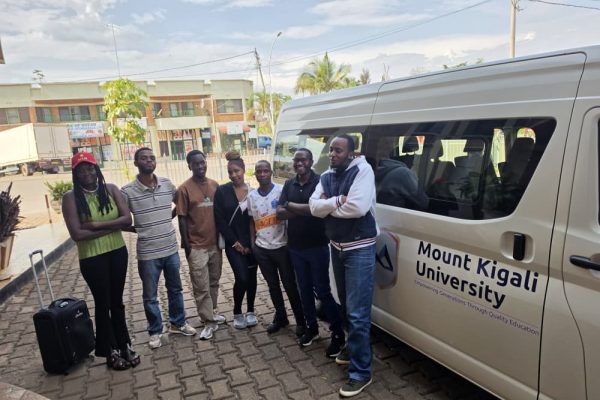

About twenty journalism and multimedia students from Mount Kigali University (MKU) have completed an intensive, five-day practical media training program that completely transformed their traditional classroom environment into a live, high-pressure newsroom. The hands-on workshop, which brought together students ranging from first-years to final-year undergraduates alongside peers from film and cinematography, successfully bridged the gap between academic communication theory and the gritty, boots-on-the-ground realities of professional media production across Huye.
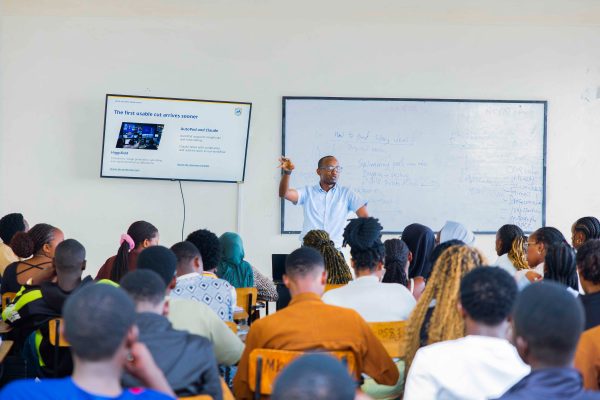
The training kicked off with a foundational reality check, a simple, uncompromising newsroom rule that forced students to never confuse a broad topic with a specific, actionable story. Instructors pushed participants to abandon vague, unmanageable concepts like “youth unemployment,” “public transport,” or “inflation,” and instead isolate specific, verifiable angles.
To achieve this, the student journalists were split into small editorial teams and instructed to trace a strict, logical story path: Observation → Question → Hypothesis → Evidence → Story. By filtering their initial ideas through seven core news value questions, examining exactly who is affected, how many people are impacted, what has changed, and what the consequences are if nothing changes. The groups spent their first days narrowing down a massive list of community observations into distinct, high-impact news pitches.
A major pillar of the course focused heavily on investigative techniques, specifically instructing students on how to “follow the money” to uncover stories that are not already neatly packaged for publication. Working late into the evening, students learned to map complex networks and analyze public records, local procurement data, institutional budgets, and contracts to back up their interviews with hard, indisputable documentation.
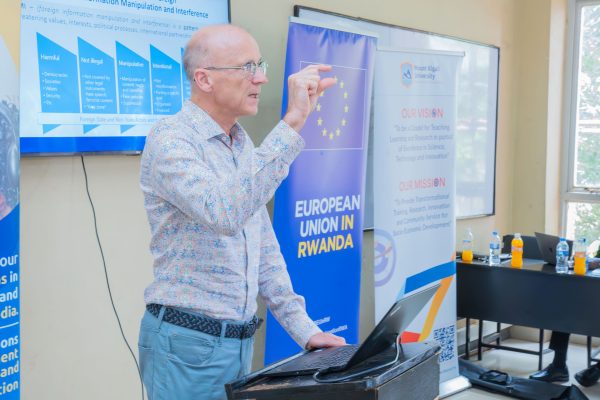
During the program, students engaged in a transparent, highly candid panel discussion exploring whether modern journalism departments and traditional media houses can truly remain profitable in a digital-first era. Industry veterans on the panel offered a grounding piece of career advice, warning the room: “If you come to this field looking strictly for money, you won’t get it right away; but if you are looking for skills and societal impact, you will find them.”
The financial realities of the profession sparked deep reflection among the participants. Denish, a final-year journalism student reflecting on the structural hurdles facing young media professionals, highlighted a critical gap within the wider academic environment. ’’In the media landscape, there is a strong need for structural career guidance, especially for journalism students who are frequently told by outsiders that the field lacks financial stability, we need deliberate guidance from the university to help us navigate all these’’
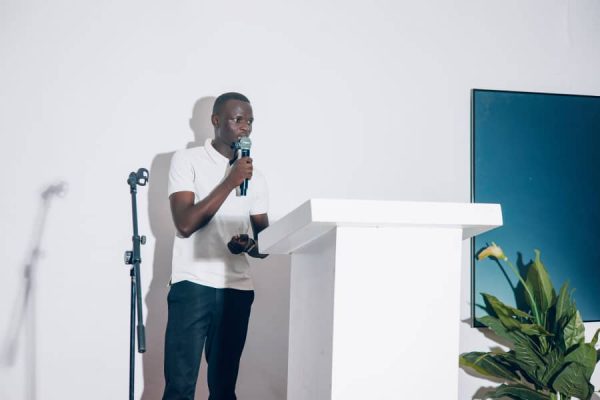
The intensive week culminated in a demanding, high-stakes final session on Day 5, where each student group was required to present their finished multimedia projects, spanning text, audio, and video formats and actively defend their reporting choices before a critical editorial board.



Leave a Reply