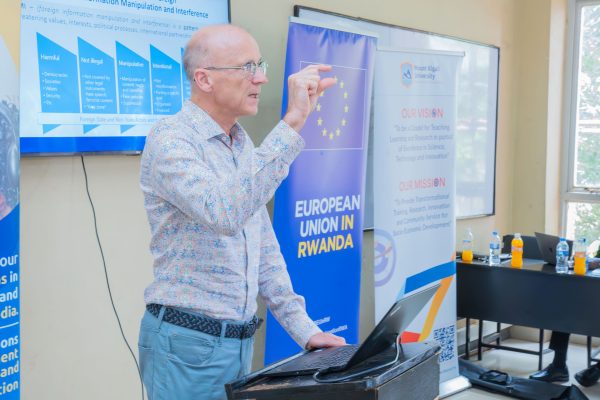

Mount Kigali University journalism students were challenged to think critically about the information they consume, produce and share during a guest lecture on digital media literacy held on Monday, September 28, 2026.
Digital Media Literacy – Preparing the Next Generation of Journalists for Today’s Information Environment, the lecture brought together journalism students, media practitioners and members of the academic community to discuss the opportunities and risks of a rapidly changing digital information environment. The speakers were Dr. Uwe Wissenbach, Deputy Head of the European Union Delegation to Rwanda; Mr Jean Paul Ibambe, a speaker on freedom of expression in the digital age; and Ms. Nadine Umuhoza, a news anchor at Rwanda Broadcasting Agency (RBA).
Dr. Wissenbach opened with Foreign Information Manipulation and Interference (FIMI) and the growing challenge of misinformation and disinformation online. He explained that information becomes especially harmful when it is deliberately manipulated, intentionally spread and coordinated to influence people or public discussions, and he showed students how to spot some of the common tactics behind it.
Fighting information manipulation in Africa, he stressed, takes more than simply identifying false information. Public awareness, strong civil society engagement, fact-checking initiatives, and media and information literacy all matter, and he noted that the European Union is increasingly supporting civil society in strengthening societies’ ability to respond.
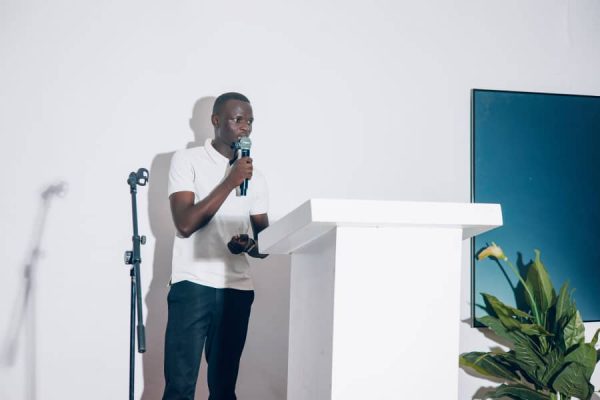
Mr Ibambe then turned to one of the most important principles in journalism: freedom of expression, which protects people’s ability to hold opinions, seek and receive information, and take part in public debate. The digital age, he said, is a space of “more freedom, more risk,” where technology has widened opportunities to express oneself while creating new challenges. He touched on Rwanda’s cybercrime law and the relationship between false information and freedom of expression under Article 39, as well as the decriminalisation of defamation and what it means for the legal environment around expression and journalism.
Privacy was another key concern. Mr Ibambe urged the audience to think before publishing anything about other people, starting with a simple question: “Can I post it because I have it?” He encouraged them to go further and ask whether the information is true, whether the person has given consent, and what harm publishing it could cause. His parting message to aspiring journalists was:“Think critically, speak freely and share responsibly.”
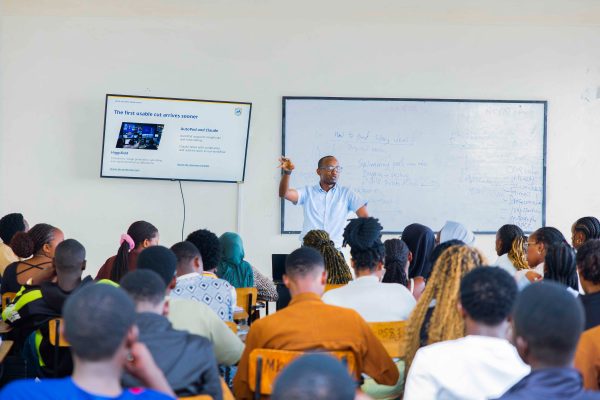
Ms Umuhoza brought the discussion from theory into the newsroom. Drawing on her experience as a news anchor, she said fact-checking is a must for journalists, especially when covering breaking news. Information can spread within seconds, and the pressure to publish first is real, but speed, she stressed, should never come at the expense of accuracy. She also spoke about handling social media pressure and misinformation during breaking news, and the responsibility journalists carry to verify information before it reaches the public. For the students, the lecture was a reminder that being a journalist today involves far more than gathering and publishing information. It means questioning what you read, verifying facts, understanding the law, protecting people’s rights and recognising attempts to manipulate public opinion.
Usra Abdalwaheb, one of the students in attendance, found the session eye-opening about the legal side of the profession. “The lecture was so interesting. I didn’t actually know that there are lots of laws that guide journalists.” — Usra Abdalwaheb. For Belle Amie, the biggest lesson was verification. She said the lecture taught her that journalists must first clarify and verify information before sharing it with the public, so that false information is not published. Her takeaway echoed the heart of the whole session: in an environment where information moves instantly, accuracy has to come first.
As these future journalists prepare to enter an increasingly digital newsroom, the lecture left them with a reminder that journalism is not simply about being the first to publish. It is about being accurate, responsible and conscious of the impact information can have on society.



Leave a Reply